Looks like a little, simple car that’s great for city use. The range isn’t too bad for day to day use. It’s probably only a viable option in European cities though
Why? How long is a commute in the US? In Canada even a long commute that isn’t some special circumstance would be ~30km and this thing has lots of range for that.
Even when I live in the suburban sprawl of Ottawa the only reason any trip would be more than 30km was because I’m actually from a village outside of it/right on the edge. Here in Montréal a commute someone would consider to be far would be 11km. Hell, when I go back home that’s only 170km so on a full charge I’d be fine even for that.
The only reason a commute would be more than 30km in North America is if you lived in a place with exceptionally poor planning(common, but not the only option). Inside most any city a car with a 200km range would get you around so easily, and while some guy in Montana might potentially struggle there’d still be a massive customer base on the continent for these vehicles.
I had a pretty rough 1 hour/60 mile (97 km) commute for two years, but most of my commutes before and since have been around about 30 min/25 miles (40 km). Plenty of people around me commute into the city, and that’s about a 50 mile (80 km) commute. With a range of 140 miles (225 km), it would really limit your ability to do much else on a work day, without a public charge anyways.
Just a few data points from one person… But the US is VERY car-brained, very big, and VERY spread out, so I believe this is pretty common. And while a lot of our land is inhospitable like Canada’s, it’s easier to deal with super hot than super cold so people are literally everywhere, while Canada’s population of course hugs a narrow strip of the southern border. We went to visit my family for Christmas, only 3 states away, but we drove 1200 miles (1930 km) to get there.
The other things to consider are the 19 second 0-60/0-100 speed, and the top speed of 78 mph/125 kph. A lot of our commuting is at high speed on freeways from suburbs to urbs. The slow acceleration could be a liability on super tight freeway ramps and just generally at high speeds in traffic. And it’s incapable of going the posted speed limit of 80-85 mph (129-137 kph) that we have in some jurisdictions. Freeways that fast are uncommon and most do top out at 65-75 mph (105-120 kph), but I have a feeling that needing to push the car to its absolute limits could be dangerous.
I sympathize, but a LOT of people don’t suffer from that in the US or Canada. How many cars in NYC alone could easily be replaced by these things? How many cars all over New England? And if they need to go super far there are options/charging stations exist and people have done EV road trips.
It gives me the energy of the people who spend $70k on a truck claiming that they need it to help someone move when they coulda spent $25k on a normal car and rented a U-haul for under $100. We don’t need to buy all these things for the worst case scenario unless we are actually going to regularly find ourselves there.
Oh I completely agree, I was simply answering your question. I’ve lived basically my whole life nowhere near a major metropolitan area, so I am all too familiar with a long commute from more rural areas, and about a quarter to half of the people I’ve worked with in my small city were in the same boat.
I wasn’t taking a stance - because I know that this car is exactly enough for PLENTY of people in the US. The Bolt EV, Bolt EUV, and the Leaf are decently comparable options in the US that have sold okay, but for the people that do buy them - they ADORE them and become fanatics. If you live and work in the city, have a short commute, and travel infrequently or have an ICE backup for road trips, low range but affordable EV’s can be a dream. If you live in the right place and have the right sort of lifestyle, cars like these give many of the EV benefits like MUCH cheaper energy from charging at home, no gas station stops ever, and silent operation, all at a way better price because you were simply shopping appropriately for your range needs.
Now, I’m not exactly sure what worst case scenario you’re talking about - you just buy the car that serves your needs. I was speaking of possible worst cases in hypothetical in my previous post, thinking about all the places I’ve been that were relevant to answering your question. Lived experience where I know I could not have made a car like this work to my benefit. If you’ve got a 120 mile round trip commute every day right now, you just might not want the car that has 140 miles of range in the summer and gets less than 100 miles in the New England winter. If you’re regularly driving out into the backcountry for weekend hikes, bikes, or skiing, you at least need to be able to get from the last public charger to your destination way up hill in the mountains. Public charging is a worse value vs gas (in most US states), so if you’re very rural and have to drive 50 miles to get to town for some errands and groceries, you’re only getting half the benefit of garage charging if you must charge in public on every trip out of the house. Situations like these might necessitate a high range EV, or just sticking to gas while adoption, infrastructure, and battery chemistries catch up in your area.


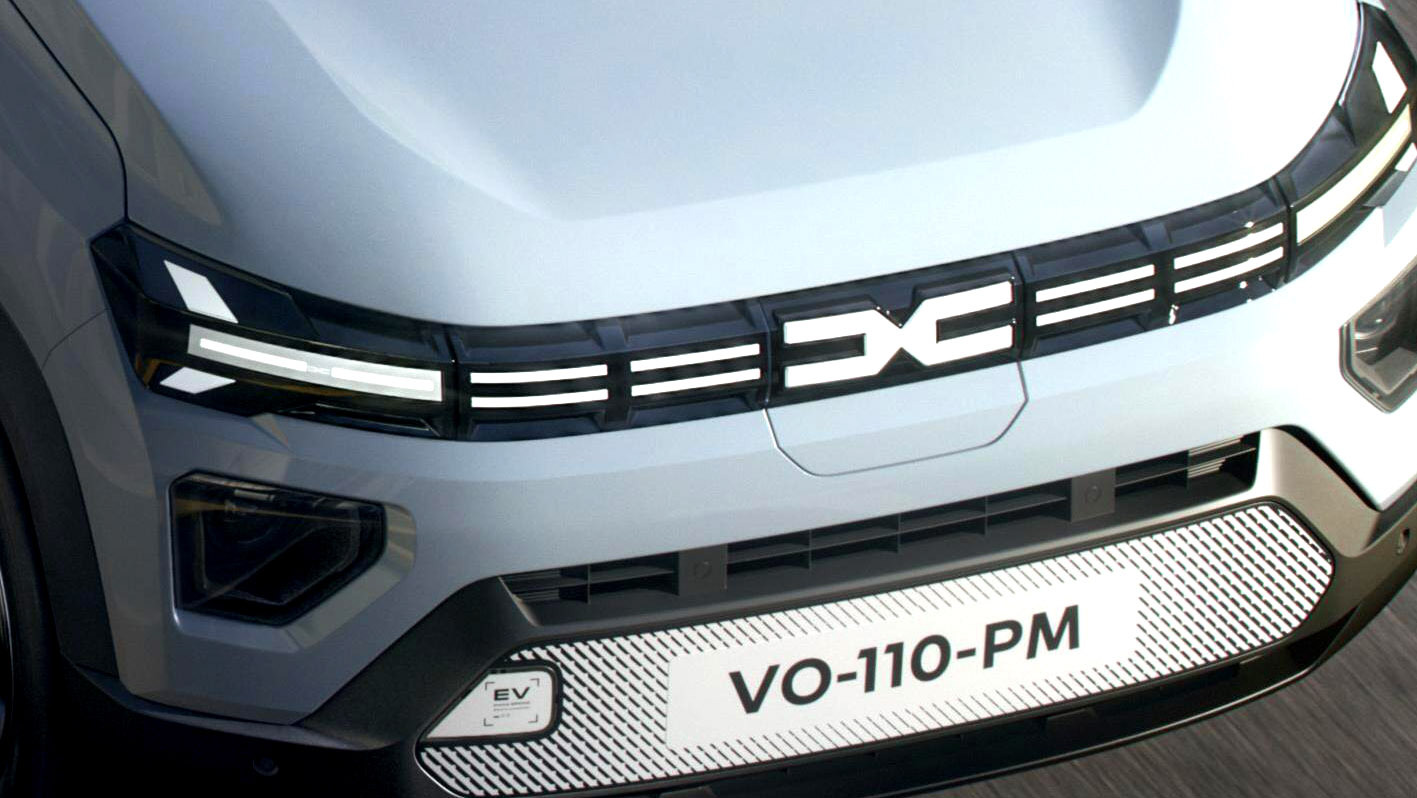
Looks like a little, simple car that’s great for city use. The range isn’t too bad for day to day use. It’s probably only a viable option in European cities though
Why? How long is a commute in the US? In Canada even a long commute that isn’t some special circumstance would be ~30km and this thing has lots of range for that.
I stand corrected on my assumptions about commuting distances in North America.
It would be interesting to see what happens if Dacia tries to establish itself there
30 km is long?!
I commute 14 km on the bike in Munich. (When the weather is not really icy).
Even when I live in the suburban sprawl of Ottawa the only reason any trip would be more than 30km was because I’m actually from a village outside of it/right on the edge. Here in Montréal a commute someone would consider to be far would be 11km. Hell, when I go back home that’s only 170km so on a full charge I’d be fine even for that.
The only reason a commute would be more than 30km in North America is if you lived in a place with exceptionally poor planning(common, but not the only option). Inside most any city a car with a 200km range would get you around so easily, and while some guy in Montana might potentially struggle there’d still be a massive customer base on the continent for these vehicles.
I had a pretty rough 1 hour/60 mile (97 km) commute for two years, but most of my commutes before and since have been around about 30 min/25 miles (40 km). Plenty of people around me commute into the city, and that’s about a 50 mile (80 km) commute. With a range of 140 miles (225 km), it would really limit your ability to do much else on a work day, without a public charge anyways.
Just a few data points from one person… But the US is VERY car-brained, very big, and VERY spread out, so I believe this is pretty common. And while a lot of our land is inhospitable like Canada’s, it’s easier to deal with super hot than super cold so people are literally everywhere, while Canada’s population of course hugs a narrow strip of the southern border. We went to visit my family for Christmas, only 3 states away, but we drove 1200 miles (1930 km) to get there.
The other things to consider are the 19 second 0-60/0-100 speed, and the top speed of 78 mph/125 kph. A lot of our commuting is at high speed on freeways from suburbs to urbs. The slow acceleration could be a liability on super tight freeway ramps and just generally at high speeds in traffic. And it’s incapable of going the posted speed limit of 80-85 mph (129-137 kph) that we have in some jurisdictions. Freeways that fast are uncommon and most do top out at 65-75 mph (105-120 kph), but I have a feeling that needing to push the car to its absolute limits could be dangerous.
I sympathize, but a LOT of people don’t suffer from that in the US or Canada. How many cars in NYC alone could easily be replaced by these things? How many cars all over New England? And if they need to go super far there are options/charging stations exist and people have done EV road trips.
It gives me the energy of the people who spend $70k on a truck claiming that they need it to help someone move when they coulda spent $25k on a normal car and rented a U-haul for under $100. We don’t need to buy all these things for the worst case scenario unless we are actually going to regularly find ourselves there.
Oh I completely agree, I was simply answering your question. I’ve lived basically my whole life nowhere near a major metropolitan area, so I am all too familiar with a long commute from more rural areas, and about a quarter to half of the people I’ve worked with in my small city were in the same boat.
I wasn’t taking a stance - because I know that this car is exactly enough for PLENTY of people in the US. The Bolt EV, Bolt EUV, and the Leaf are decently comparable options in the US that have sold okay, but for the people that do buy them - they ADORE them and become fanatics. If you live and work in the city, have a short commute, and travel infrequently or have an ICE backup for road trips, low range but affordable EV’s can be a dream. If you live in the right place and have the right sort of lifestyle, cars like these give many of the EV benefits like MUCH cheaper energy from charging at home, no gas station stops ever, and silent operation, all at a way better price because you were simply shopping appropriately for your range needs.
Now, I’m not exactly sure what worst case scenario you’re talking about - you just buy the car that serves your needs. I was speaking of possible worst cases in hypothetical in my previous post, thinking about all the places I’ve been that were relevant to answering your question. Lived experience where I know I could not have made a car like this work to my benefit. If you’ve got a 120 mile round trip commute every day right now, you just might not want the car that has 140 miles of range in the summer and gets less than 100 miles in the New England winter. If you’re regularly driving out into the backcountry for weekend hikes, bikes, or skiing, you at least need to be able to get from the last public charger to your destination way up hill in the mountains. Public charging is a worse value vs gas (in most US states), so if you’re very rural and have to drive 50 miles to get to town for some errands and groceries, you’re only getting half the benefit of garage charging if you must charge in public on every trip out of the house. Situations like these might necessitate a high range EV, or just sticking to gas while adoption, infrastructure, and battery chemistries catch up in your area.