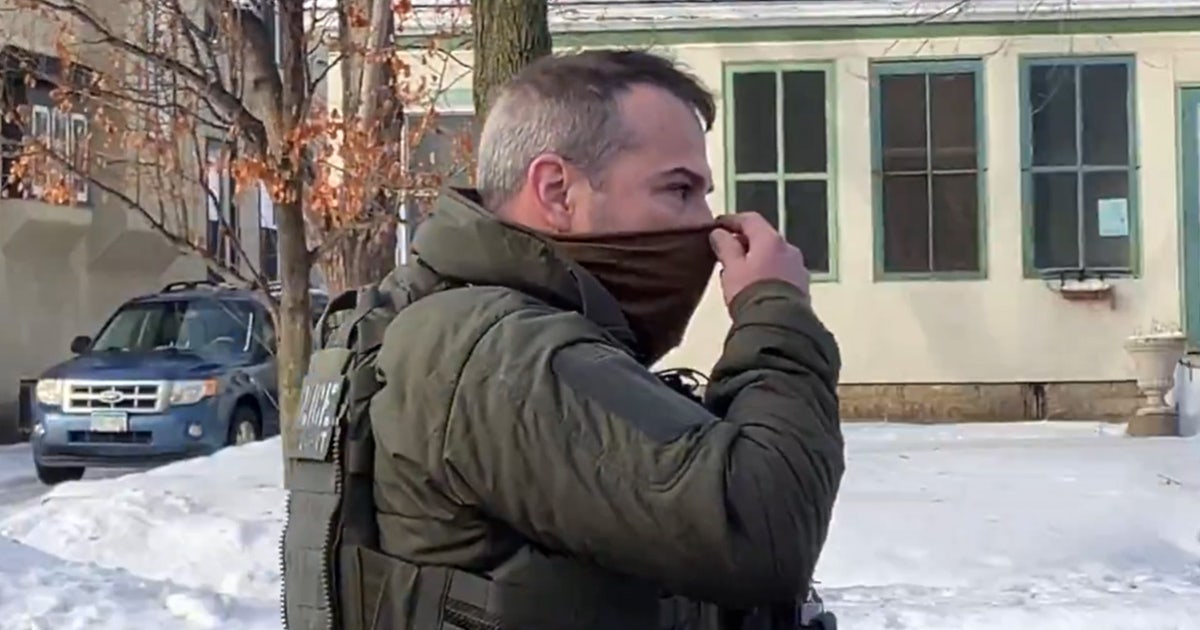
The ICE officer who fatally shot 37-year-old Renee Good in Minneapolis on Wednesday has been identified as Jonathan Ross, who was the same officer who was dragged 50 yards in Bloomington back in June 2025.
It does apply. It’s just that for non-high-profile cases, prosecutors are pretty quick to make a decision to prosecute/not prosecute. Years ago, I was arrested and accused of assault, and I was released mere hours after getting to the police station because the prosecutor’s office thought my self-defence claim was good and decided not to file charges. Generally speaking, this is what happens. You get arrested, taken to the police station or to the local jail, and then the police department refers the case to the prosecutor’s office. Someone at the prosecutor’s office reviews the evidence, and then they decide whether they will file charges. If they file one or more charges, then you’re brought before a judge for a preliminary hearing, usually within 24 hours (depends on state law). At the hearing, you will make a plea of guild or not guilty, then either arrange for a lawyer, or the judge will appoint a public defender to represent you. Then your lawyer can make a demand for a speedy trial and/or make any other submissions to the court in your defence.
If the prosecutor’s office decide not to prosecute, they will instruct the police department to release you. Failing that, someone can make a habeas corpus petition on your behalf and a judge will order your release.


It does apply. It’s just that for non-high-profile cases, prosecutors are pretty quick to make a decision to prosecute/not prosecute. Years ago, I was arrested and accused of assault, and I was released mere hours after getting to the police station because the prosecutor’s office thought my self-defence claim was good and decided not to file charges. Generally speaking, this is what happens. You get arrested, taken to the police station or to the local jail, and then the police department refers the case to the prosecutor’s office. Someone at the prosecutor’s office reviews the evidence, and then they decide whether they will file charges. If they file one or more charges, then you’re brought before a judge for a preliminary hearing, usually within 24 hours (depends on state law). At the hearing, you will make a plea of guild or not guilty, then either arrange for a lawyer, or the judge will appoint a public defender to represent you. Then your lawyer can make a demand for a speedy trial and/or make any other submissions to the court in your defence.
If the prosecutor’s office decide not to prosecute, they will instruct the police department to release you. Failing that, someone can make a habeas corpus petition on your behalf and a judge will order your release.