If you remove the art from the context, would it still mean the same to you?
Kinda depends on the artwork, right?
When you know that a Eric Clapton wrote “Tears in Heaven” for his dead 4-year-old son, it does hit different.
Picasso’s Guernica also carries a lot of meaning from its context, in its anti-war message. The symbolism in the painting itself can be debated, but the context of time and place (and the author’s chosen title) clearly conveys a message that war is horrible and that the specific bombing campaign on Guernica was cruel.
Filmmakers love long one-shot scenes not just because of the content itself, but also because of the technical feats required to actually make it.
The context can add quite a bit of meaning to art. It doesn’t always, and often isn’t intended to, but for a lot of artwork stripping away the context actually strips away some of the artistic value.


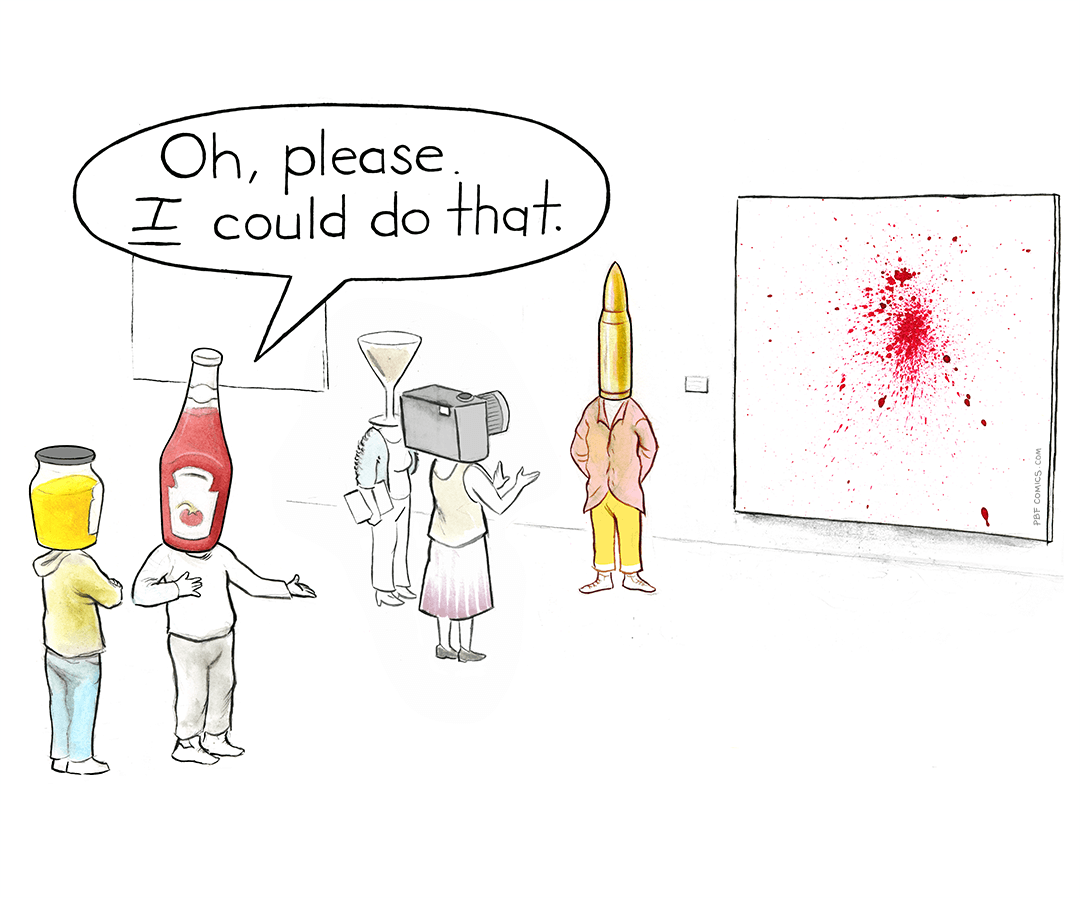
Kinda depends on the artwork, right?
When you know that a Eric Clapton wrote “Tears in Heaven” for his dead 4-year-old son, it does hit different.
Picasso’s Guernica also carries a lot of meaning from its context, in its anti-war message. The symbolism in the painting itself can be debated, but the context of time and place (and the author’s chosen title) clearly conveys a message that war is horrible and that the specific bombing campaign on Guernica was cruel.
Filmmakers love long one-shot scenes not just because of the content itself, but also because of the technical feats required to actually make it.
The context can add quite a bit of meaning to art. It doesn’t always, and often isn’t intended to, but for a lot of artwork stripping away the context actually strips away some of the artistic value.