IIRC, there’s a harder, trusted process for measurement. But an easier method that has gained widespread adoption, and that method is what has been called into question.
This is a hit piece, echoes of big oil & tobacco. It’s picking studies that have (debatable) issues, then is casting a wide net that is encouraging doubt of all microplastics in the body studies. They take the time to explain why these can be ignored, but depend on you to go read the counter-counterarguments made by the original researchers of each study yourself.
Rauert says there are absolutely nanoplastics in our bodies, but micro plastics are unlikely due to their size.
It doesn’t do a meta-analysis of all MNP studies and doesn’t disregard bad criticisms or biased voices (Kuhlman). It’s also sensationalised.
Pulled from a chat about this when this was released
i’m not too knowledgeable which is why i didn’t bother to read the counter-counter arguments (case solved, problem in between seat and screen).
also i didn’t realize it’s a hit piece, by no means would i like to propagate denialism.
you appear to be way more knowledgeable, do you have more conclusions from that chat?
also can you do an eli5 what is meta-analysis?
My wife is the more knowledgeable one, but a meta-analysis is basically when you combine all the data of similar studies on a subject. It can expose studies that are bad within the data set and better assess the efficacy of the techniques used in a study. Compare that to what was done here, which was mostly just cherrypicking and highlighting the issues of a handful of studies.
I encourage you to give a peek at the counter counter-arguments! There is some jargon, but there is decipherable stuff in it (moreso than the original papers imo). One of them says something to the effect of “we had to skip the standard control because the control was in a container that was releasing microplastics” which I would consider reasonable.
I called this a hit piece because the person they quote about it being a “bombshell” works for DOW Chemical.
Agreed. The technology is still new, evolving, or not there yet. I was at an aquarium only last month. They were showing me a machine where there are only 7 available in the US so far. The scientist only got it like 3 days before I spoke to her so she hadnt used it yet but it measures concentration of microplastics in the ocean and is specific enough to tell you what different microplastics are there and their likely sources. Really cool but this science is super new and in its infancy.


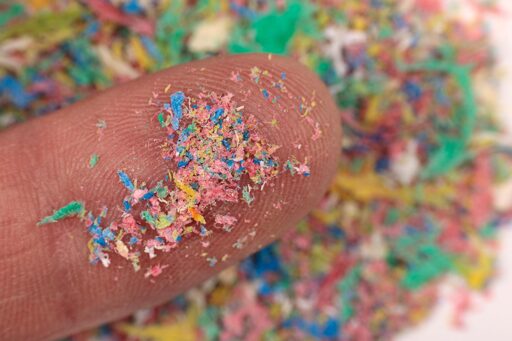
https://www.theguardian.com/environment/2026/jan/13/microplastics-human-body-doubt
TL;DR: science currently has no efficient way to actually measure microplastic content with being able to control for outside contaminants
edit: please read the other comments below!
IIRC, there’s a harder, trusted process for measurement. But an easier method that has gained widespread adoption, and that method is what has been called into question.
This is a hit piece, echoes of big oil & tobacco. It’s picking studies that have (debatable) issues, then is casting a wide net that is encouraging doubt of all microplastics in the body studies. They take the time to explain why these can be ignored, but depend on you to go read the counter-counterarguments made by the original researchers of each study yourself.
Rauert says there are absolutely nanoplastics in our bodies, but micro plastics are unlikely due to their size.
It doesn’t do a meta-analysis of all MNP studies and doesn’t disregard bad criticisms or biased voices (Kuhlman). It’s also sensationalised.
Pulled from a chat about this when this was released
i’m not too knowledgeable which is why i didn’t bother to read the counter-counter arguments (case solved, problem in between seat and screen). also i didn’t realize it’s a hit piece, by no means would i like to propagate denialism.
you appear to be way more knowledgeable, do you have more conclusions from that chat? also can you do an eli5 what is meta-analysis?
My wife is the more knowledgeable one, but a meta-analysis is basically when you combine all the data of similar studies on a subject. It can expose studies that are bad within the data set and better assess the efficacy of the techniques used in a study. Compare that to what was done here, which was mostly just cherrypicking and highlighting the issues of a handful of studies.
I encourage you to give a peek at the counter counter-arguments! There is some jargon, but there is decipherable stuff in it (moreso than the original papers imo). One of them says something to the effect of “we had to skip the standard control because the control was in a container that was releasing microplastics” which I would consider reasonable.
I called this a hit piece because the person they quote about it being a “bombshell” works for DOW Chemical.
When you lack a control, though you should still be able to compare those with tumours and those without. One treatment (no tumour) to the other.
Controls answer: what if we did nothing? And how big are the effects vs doing nothing?
E: they can’t get accurate measurements themselves that’s the issue, not the lack of uncontaminated controls
can I get a eli5 for this? it sounds scary but I’m also not sure what you meant.
Agreed. The technology is still new, evolving, or not there yet. I was at an aquarium only last month. They were showing me a machine where there are only 7 available in the US so far. The scientist only got it like 3 days before I spoke to her so she hadnt used it yet but it measures concentration of microplastics in the ocean and is specific enough to tell you what different microplastics are there and their likely sources. Really cool but this science is super new and in its infancy.