

- cross-posted to:
- [email protected]
- cross-posted to:
- [email protected]
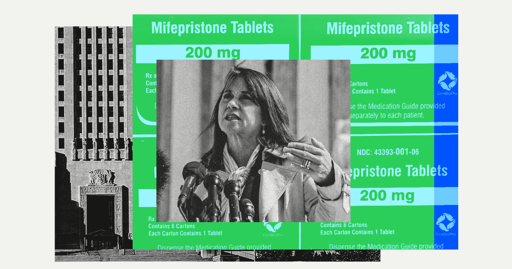
When the US Supreme Court unanimously blocked a lawsuit against the Food and Drug Administration in 2024 over the agency’s regulation of the abortion drug mifepristone, conservatives were disappointed but undeterred. The justices ruled that anti-abortion doctors didn’t have standing to sue. But in a hopeful sign for those opposed to abortion, they left the courthouse doors open to other parties who might be able to make a more convincing case.
Louisiana eagerly took up the challenge. On Tuesday, that lawsuit—another potential blockbuster—has its first major test, when lawyers for the state and a woman who says she was coerced into having an abortion by an ex-boyfriend will try to persuade a federal judge to issue a preliminary injunction against FDA rules that allow abortion pills to be prescribed via telemedicine and sent through the mail.
The case is part of an increasingly urgent—and panicked—anti-abortion campaign to make abortion pills much harder to obtain, not just in Louisiana but nationwide. “Telemedicine has been a game changer for abortion access since Roe v. Wade was overturned, which is exactly why Louisiana wants to eliminate it,” Rachana Desai Martin, chief US program officer at the Center for Reproductive Rights, said in a statement. “They see what a lifeline abortion pills have become—especially for people in states that ban abortion—and they want to squash it.”
The Trump administration, meanwhile, has asked the judge to halt the proceedings until the FDA finishes a review of mifepristone’s safety that it launched last fall. The Louisiana case “threatens to short-circuit” that study, Department of Justice lawyers contend.
They’re doing a good job spreading fear and misery.
Americans are doing a great job of allowing them to