
- 120 Posts
- 1.95K Comments
Joined 2 years ago
Cake day: March 18th, 2024
You are not logged in. If you use a Fediverse account that is able to follow users, you can follow this user.
I emulated the game a few years ago, because the alternative was dealing with the lousy DRM on the Steam version, and it’s weird (in a good way) to now play this game and see the battle transition animation run at higher frame rates. You can also use the analog stick. 3x speed is nice, but I can already do that on emulators. I know my brother got very into the modding tools for the Steam version of the game, so I wouldn’t be surprised if those tools work on the GOG version already or in the near future.
I can highly recommend this game, and my IsThereAnyDeal extension says it’s currently $3.58 at GameBillet, though I’d say it’s worth every penny of the $20 they’re asking.
 1·2 days ago
Plus PC is the largest platform, and it’s only leaving money on the table to not make a PC version.
PC might be implied in “console games”. It’s actually insane to not make a PC version these days if you’re targeting console.
For a number of these, they’re often games that had GameSpy servers or otherwise the online multiplayer portion of it was shut down, yet the game and multiplayer remain playable, and that’s what SKG is about.
My family share for GOG is an SFTP server, which I’m pretty sure you can also do just using FileZilla and forwarding one port. Or you hand them the files on a flash drive.
There are a number of old LAN games there too. It’s basically the only place I can feasibly shop for multiplayer shooters at the moment. The sad part is that I think the newest one is Crysis Wars, from 2008.
The difference is that even with the convenience of a launcher, I can decline an update that would undo DRM-free rather than manually copying every vetted DRM-free game on Steam to another directory every time there’s a patch. And that’s only to entertain this apocalyptic what-if that would never happen because it would trigger false advertising law suits that would instantly destroy the company.
Undoing DRM-free quickly enough that I couldn’t download my remaining installers would be speedrunning the failure of a company faster than Unity, but other than that, they can’t take away what I and others have already downloaded.
The reason why this doesn’t concern me at all is that the very nature of the business they run means that I explicitly don’t have to trust them.
Considering games with no DRM can have it added retroactively, that Steam pushes updates I may not want with no option to decline, and that that wiki can’t even load in its entirety without erroring out for me and comes down to user submitted data, GOG’s DRM free promise is more than just advertising.
I suppose so, but even if that bothered me, it would still mean I’m not owning the games I buy when I shop elsewhere.
I know it, but I’m not sure why one would affect the other. I still get DRM free games on GOG that I’m not going to find on itch.io or elsewhere.
Thanks for the link, though the store page does still say it requires an EA account. Is that just outdated? Dragon Age: The Veilguard also doesn’t have an EA app requirement, so this is a thing they’re doing with studios they own too.
It seems cool, and it’s got some ideas. I swung a hammer around, and it’s got a vertical swing, so it essentially just started digging. I did it a few times and then dropped into a dungeon that I didn’t know was there. The UI and onboarding are rough, as to be expected, and I wish I could see what they’re cooking further down the skill tree, but there are some good bones there.
I believe it’s still running in the background and makes it an extra pain in the ass to play without internet. I ran into that one with Jedi: Fallen Order when trying to play on the train (I only paid $4 for it and still felt ripped off). The store page still lists that it’s there. It’s why whenever I get around to the Dragon Age games, I can play the first one on GOG and the fourth one on Steam (no EA launcher), but unless something changes, the best option appears to be pirating 2 and 3.
I only bought Split Fiction because it didn’t come with the EA launcher. It seems to be a recent decision of theirs to not include it on some games on Steam, but they’re not doing it retroactively. It Takes Two I played on Game Pass for a dollar, because I’m not willing to put up with EA’s additional DRM.
Split Fiction and It Takes Two were pretty great.
It’s not either/or. Games can be made at all levels of production value and come from teams of many different sizes. Even games made by very small teams can have trouble breaking even at $20, because hardly any game is going to sell as many copies as Hollow Knight: Silksong.

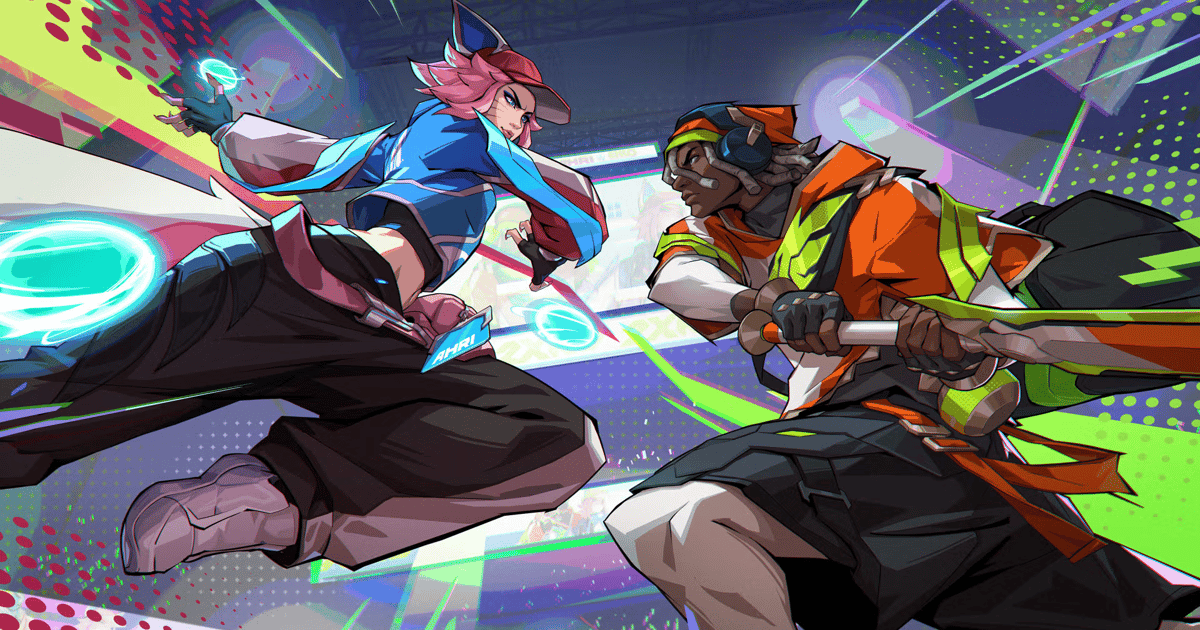

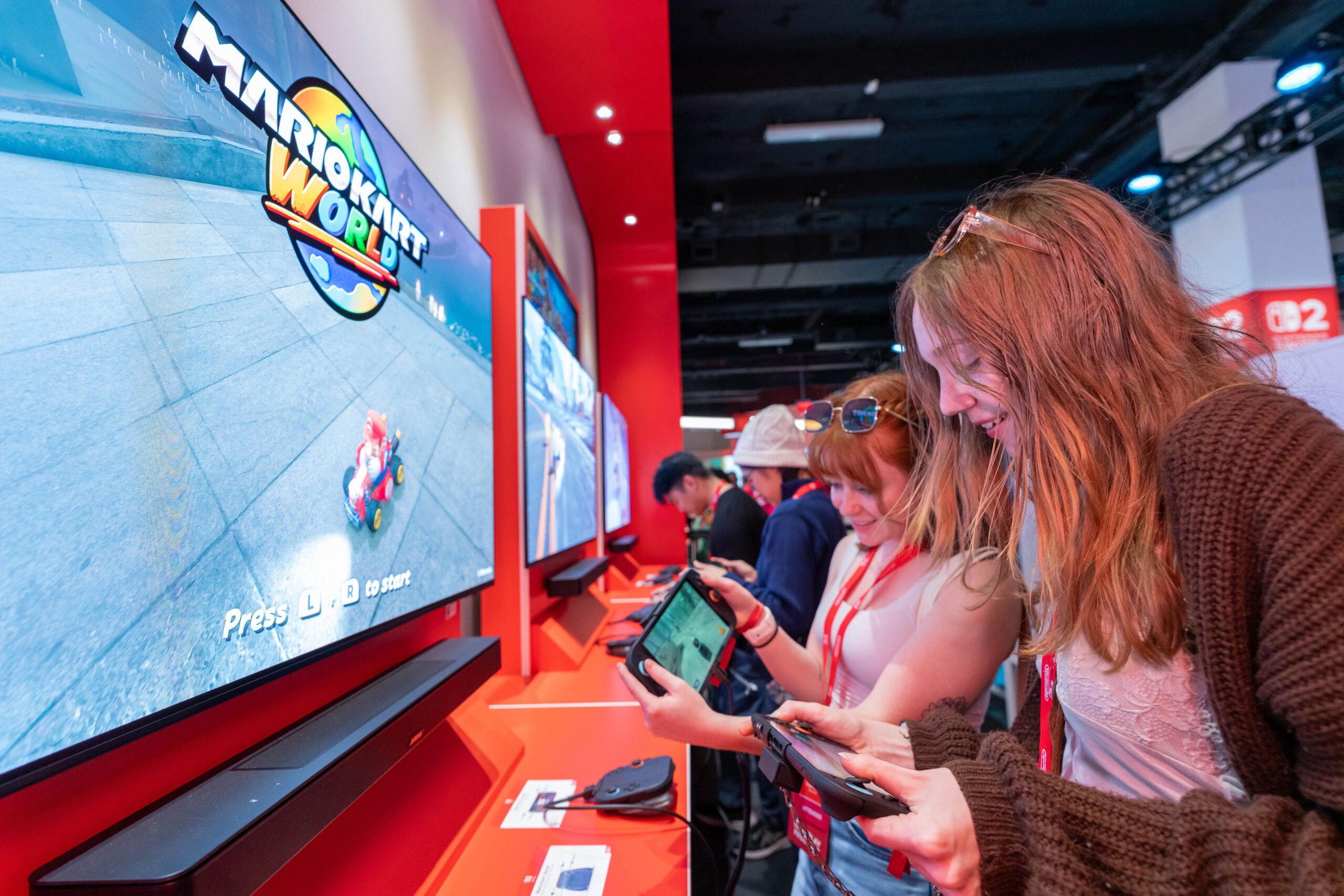
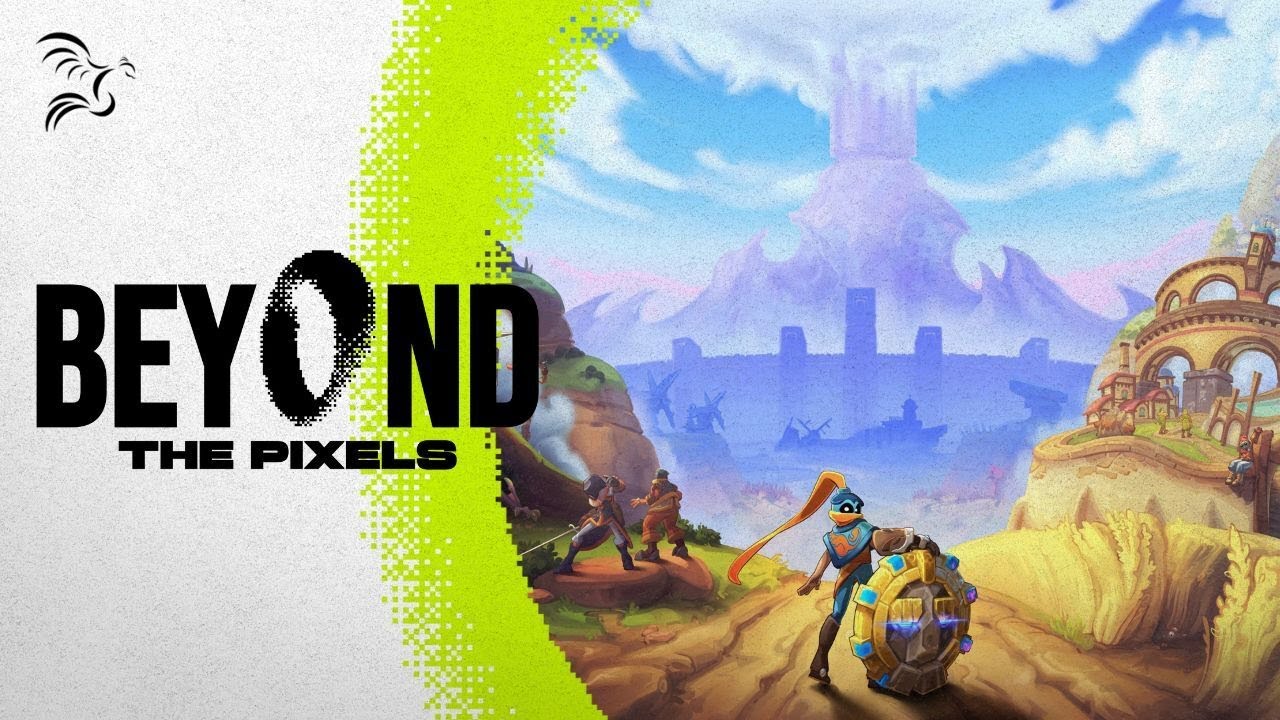


From my time hands on with it, it will be. Maybe a mechanic or two needs an adjustment post launch, but the core is excellent.