If you remove the art from the context, would it still mean the same to you? There are tons of unknown artists whose portraits are in circulation and their buyers would have no idea what they went through when painting them. At that point the artwork would have to stand on its own and resonate with the buyer for it to be meaningful for them.
If you remove the art from the context, would it still mean the same to you?
Kinda depends on the artwork, right?
When you know that a Eric Clapton wrote “Tears in Heaven” for his dead 4-year-old son, it does hit different.
Picasso’s Guernica also carries a lot of meaning from its context, in its anti-war message. The symbolism in the painting itself can be debated, but the context of time and place (and the author’s chosen title) clearly conveys a message that war is horrible and that the specific bombing campaign on Guernica was cruel.
Filmmakers love long one-shot scenes not just because of the content itself, but also because of the technical feats required to actually make it.
The context can add quite a bit of meaning to art. It doesn’t always, and often isn’t intended to, but for a lot of artwork stripping away the context actually strips away some of the artistic value.
This is why I usually enjoy the book more if I know some context about a writer, even if my conclusions about how it influenced a book are entirely wrong. I think it’s better to know context for visual art, too, but indeed context is not a part of the artwork itself (although I believe not everyone thinks this way, and I don’t know if I agree with them or not in the end)


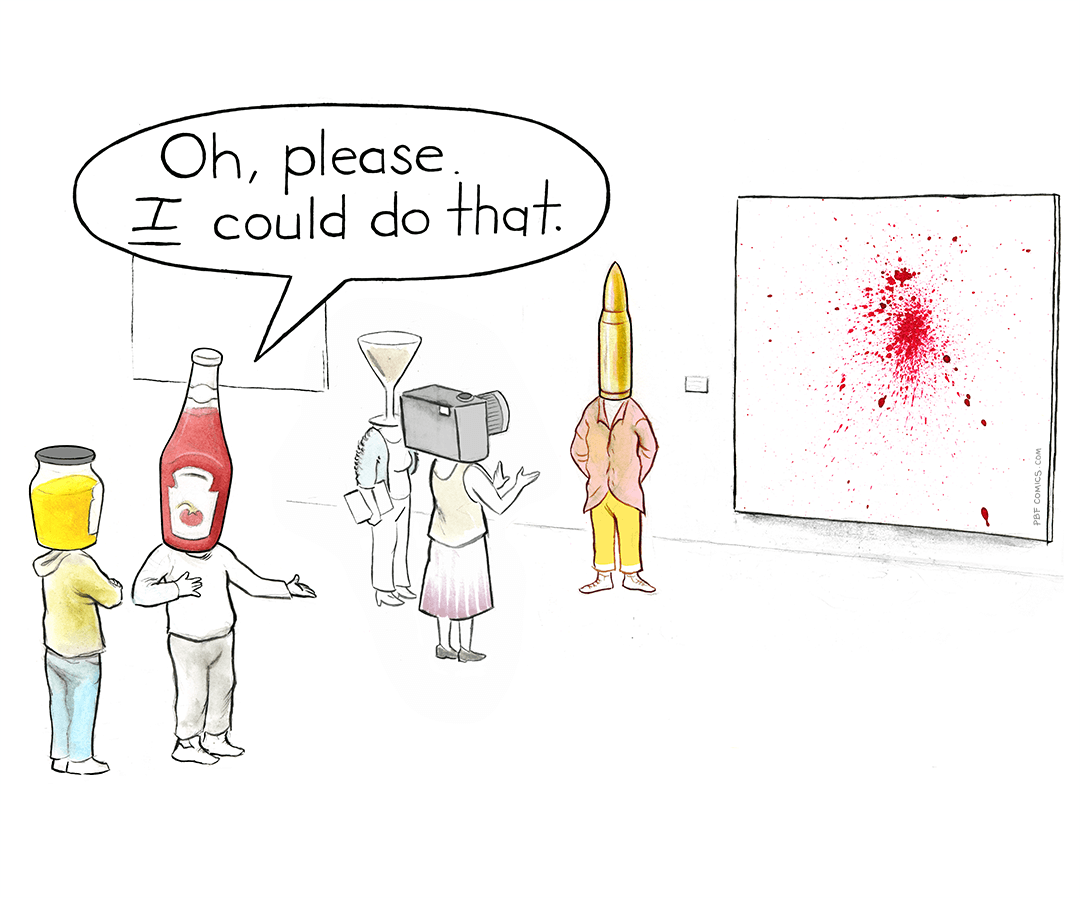
If you remove the art from the context, would it still mean the same to you? There are tons of unknown artists whose portraits are in circulation and their buyers would have no idea what they went through when painting them. At that point the artwork would have to stand on its own and resonate with the buyer for it to be meaningful for them.
Kinda depends on the artwork, right?
When you know that a Eric Clapton wrote “Tears in Heaven” for his dead 4-year-old son, it does hit different.
Picasso’s Guernica also carries a lot of meaning from its context, in its anti-war message. The symbolism in the painting itself can be debated, but the context of time and place (and the author’s chosen title) clearly conveys a message that war is horrible and that the specific bombing campaign on Guernica was cruel.
Filmmakers love long one-shot scenes not just because of the content itself, but also because of the technical feats required to actually make it.
The context can add quite a bit of meaning to art. It doesn’t always, and often isn’t intended to, but for a lot of artwork stripping away the context actually strips away some of the artistic value.
This is why I usually enjoy the book more if I know some context about a writer, even if my conclusions about how it influenced a book are entirely wrong. I think it’s better to know context for visual art, too, but indeed context is not a part of the artwork itself (although I believe not everyone thinks this way, and I don’t know if I agree with them or not in the end)